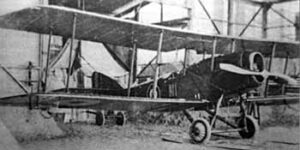
Martinsyde G.100 and G.102
The Martinsyde G.100 (and G.102) was a British fighter bomber aircraft built by Martinsyde and used during World War I.

The Martinsyde G.100 (and G.102) was a British fighter bomber aircraft built by Martinsyde and used during World War I.
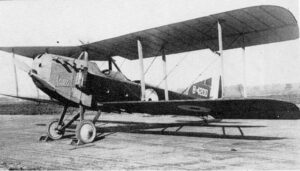
The Armstrong Whitworth F.K.8 is a British biplane used during the First World War. It typically accompanied the better known R.E.8.

The Sopwith Three-Seater was one of the first aircraft designed and built by the Sopwith Aviation Company before World War I.
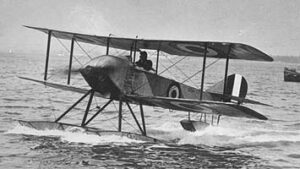
The Sopwith Tabloid was a British biplane originally designed as a sports aircraft and later adapted for military use during World War I.

The Nieuport 27 was a French sesquiplane fighter aircraft designed by the Nieuport company and used during World War I.
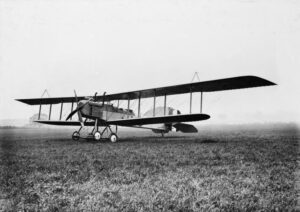
The Short Bomber (also known as Short Type 184) was a British two-seat long-range reconnaissance, bombing and torpedo-carrying aircraft.

The Lockheed P-38 Lightning was an American twin-piston-engined fighter aircraft developed by the Lockheed Corporation and used during WW2.
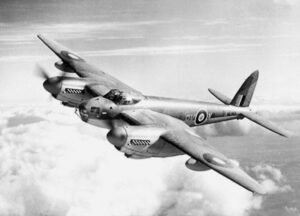
The De Havilland Mosquito is a British twin-engined, multi-role combat aircraft of the Second World War and nicknamed the “Wooden Wonder”.

The Focke-Wulf Fw 200 Condor was a German four-engined monoplane used for reconnaissance and as an anti-shipping/maritime patrol bomber.
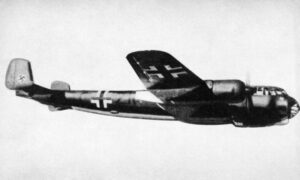
The Dornier Do 217 was a German bomber used by the German Luftwaffe during WW2 and a more powerful development of the Dornier Do 17.
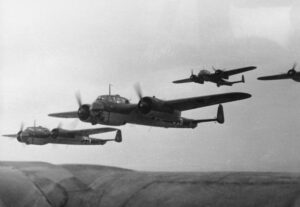
The Dornier Do 17 was a German twin-engined light-bomber produced by Dornier for the German Luftwaffe during World War II.
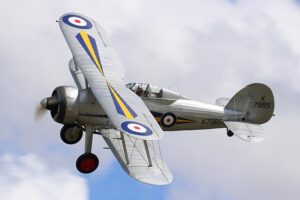
The Gloster Gladiator was a British biplane fighter used by the Royal Air Force (RAF) and the Fleet Air Arm (FAA) during World War II.

The Kawasaki Ki-61 (飛燕) or flying swallow was a Japanese fighter aircraft used by the Imperial Japanese Army Air Service during WW2.
The Martinsyde G.100 (and G.102) was a British fighter bomber aircraft built by Martinsyde and used during World War I.
The Nieuport 27 was a French sesquiplane fighter aircraft designed by the Nieuport company and used during World War I.
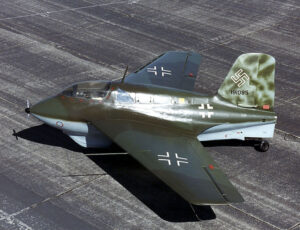
The Messerschmitt Me 163 Komet was a German rocket-powered interceptor aircraft primarily used by the Luftwaffe in the 1940s.

The Kawasaki Ki-45 (屠龍) or Dragonlayer was a Japanese two-seat, twin-engine heavy fighter used by the Imperial Japanese Army in World War II.

The Bell YFM-1 Airacuda was an American heavy fighter and interceptor aircraft developed by Bell Aircraft Corporation during the mid-1930s.

The McDonnell Douglas F-4 Phantom II is an American tandem two-seat, two-engine supersonic jet interceptor and fighter-bomber.

The Kawasaki Ki-100 “Goshikisen” is a single-seat, single-engine monoplane fighter aircraft used by the Imperial Japanese Army Air Service.

A true Soviet-era colossus, the K-7 looked like a flying fortress and remains one of the most outrageous aircraft designs in history.

The Bell X-1 was a supersonic research project conceived in 1944 and built by Bell Aircraft for the U.S. Army Air Forces and U.S. Air Force.
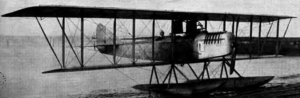
The Aeromarine 700 was an American flying boat manufactured to investigate the feasibility of using aircraft to launch torpedoes.

The Short S.27 was a series of British training and experimental aircraft designed by Short Brothers and used Royal Flying Corps.
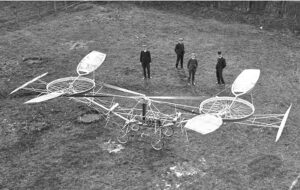
The Cornu Helicopter was a French experimental helicopter widely credited with the first free flight of a rotary-wing aircraft.
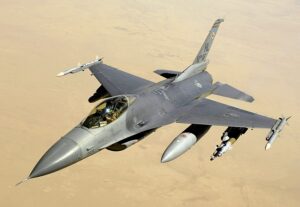
The General Dynamics F-16 Fighting Falcon is an American single-engine, multi-role fighter aircraft developed for the USAF.
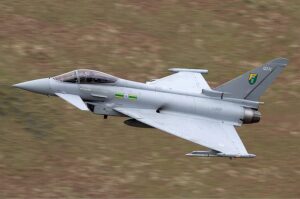
The Eurofighter Typhoon is a European multinational twin-engine, multi-role fighter manufactured by Eurofighter Jagdflugzeug GmbH.
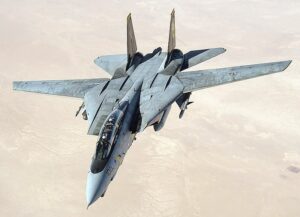
The Grumman F-14 Tomcat is an American supersonic, twin-engine fighter aircraft developed by the United States Navy.

The Saab JAS 39 Gripen is a light single-engine multirole fighter aircraft manufactured by the Swedish aerospace and defense company Saab.

The Dassault Rafale is a French twin-engine, canard delta wing, multirole fighter aircraft equipped with a wide range of weapons.