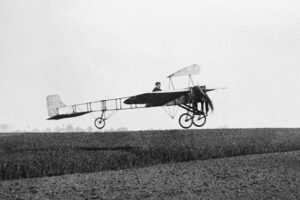
Deperdussin TT
The Deperdussin TT was a French monoplane introduced in 1912 and widely used by the French Air Force during World War I.
Aircraft by Type > Airplanes > General Purpose
General purpose aircraft serve diverse functions and are operated by private individuals, flight training organizations, corporations, and government agencies. They are not primarily intended for commercial airline operations or military missions but instead cater to individual pilots, enthusiasts, and small-scale transportation needs.
A general purpose aircraft, also known as a general aviation aircraft, refers to a category of aircraft that is used for various non-commercial purposes. These aircraft are typically smaller in size and designed for a wide range of recreational, personal, and business aviation activities.
These aircraft can include single-engine piston airplanes, multi-engine airplanes, helicopters, and even some light sport aircraft. They are often used for activities such as personal transportation, sightseeing flights, flight training, aerial photography, crop dusting, medical transport, and law enforcement surveillance.
One key characteristic of general purpose aircraft is their versatility. They are designed to be adaptable and accessible to a wide range of users, offering flexibility in terms of mission capability, operating conditions, and landing options. General purpose aircraft are typically certified for lower altitudes and may have more relaxed operating regulations compared to larger commercial or military aircraft.
General purpose aircraft play a crucial role in supporting various non-commercial aviation needs, providing individuals and organizations with opportunities for personal travel, recreation, training, and specialized operations that cater to specific industry requirements

The Deperdussin TT was a French monoplane introduced in 1912 and widely used by the French Air Force during World War I.

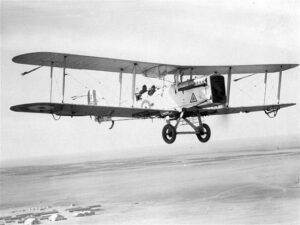
The Royal Aircraft Factory B.E.8 was a British single-engine, two-seat biplane designed by the Royal Aircraft Factory and used during WW1.

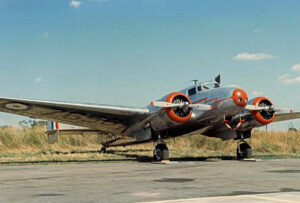
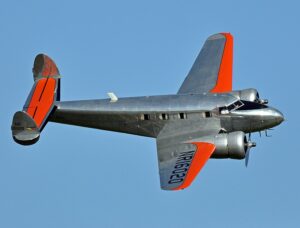
The Lockheed Model 10 Electra was a famous American twin-engined, all-metal monoplane airliner developed in the 1930s.
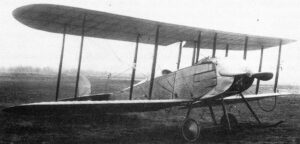
The GippsAero GA8 Airvan is an Australian single-engined utility aircraft manufactured by GippsAero. It can seat up to eight people.

The Airco DH.1 is a single-seat biplane fighter aircraft and one of the most important aircraft designers of the 20th century.
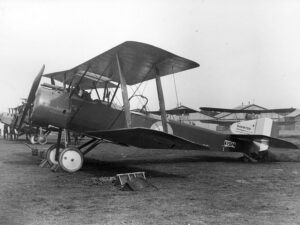
The Sopwith 1½ Strutter was a British single or double-seated multi-role biplane aircraft used during the First World War.
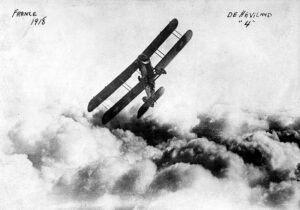
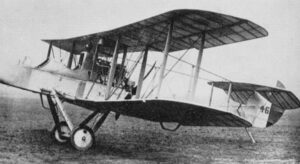
The Armstrong Whitworth F.K.3 is a British two-seat biplane built during the First World War. After the conflict, it was considered obsolete.

The Sopwith Three-Seater was one of the first aircraft designed and built by the Sopwith Aviation Company before World War I.

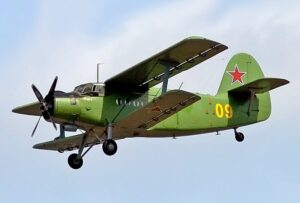
The Antonov An-2 is a Russian / Soviet single-engine biplane that still remains in service for both military and civilian use.

The CAC Wirraway was a training and general-purpose military aircraft manufactured by CAC in Australia between 1939 and 1946.
A few frequently asked questions (and answers) about general purpose aircraft.
General purpose aircraft are smaller, non-commercial aircraft used for personal, recreational, and business aviation activities. They are typically owned and operated by individuals, flight training organizations, or small-scale transportation needs. In contrast, commercial airliners are larger, designed for transporting passengers or cargo on a commercial basis, and operated by airlines for scheduled flights.
No, operating a general purpose aircraft requires a valid pilot’s license. The specific type of license will depend on the category and complexity of the aircraft. Proper training and certification are necessary to ensure safe operation and compliance with aviation regulations.
General purpose aircraft have a wide range of uses. They can be used for personal transportation, recreational flying, flight training, aerial photography, sightseeing tours, agricultural applications such as crop dusting, medical transport, law enforcement surveillance, and more. Their versatility allows individuals and organizations to fulfill various aviation needs beyond commercial airline operations.