
Bayraktar TB2
The Bayraktar TB2 is a medium-altitude, long-endurance (MALE) unmanned aerial vehicle (UAV) developed by the Turkish company Baykar.

The Bayraktar TB2 is a medium-altitude, long-endurance (MALE) unmanned aerial vehicle (UAV) developed by the Turkish company Baykar.
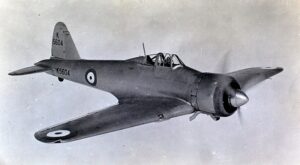
The Gloster F.5/34 was a British single-seat, single-engine monoplane fighter aircraft with eight machine guns and an air-cooled engine.
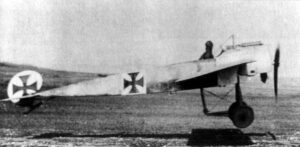
The Fokker Eindecker III (or E.III) was a German single-seat monoplane fighter aircraft used during World War I.
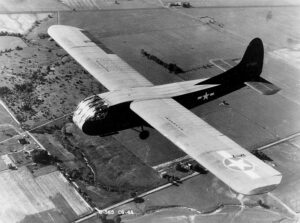
The Waco CG-4 (or Hadrian) was the most widely used American troop and cargo military glider of World War II.
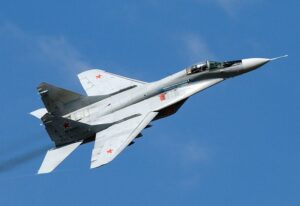
The Mikoyan-Gurevich MiG-29 Fulcrum is a twin-engine aircraft designed in the Soviet Union as an air superiority fighter.
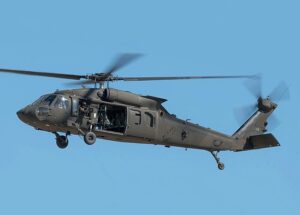
The Sikorsky UH-60 Black Hawk is a four-blade, medium-lift, twin-engine utility military helicopter and winner of the UTTAS program in 1976.
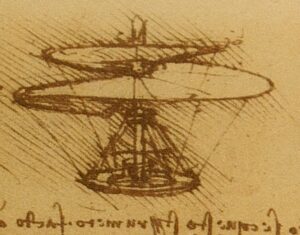
Leonardo’s Aerial Screw was envisioned as a device resembling a large screw or corkscrew-shaped structure that would enable vertical flight.
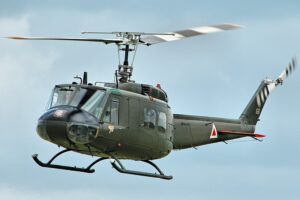
The Bell UH-1 Iroquois is a utility military helicopter and the first turbine-powered helicopter in service with the United States military.
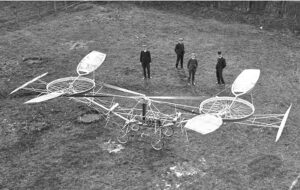
The Cornu Helicopter was a French experimental helicopter widely credited with the first free flight of a rotary-wing aircraft.
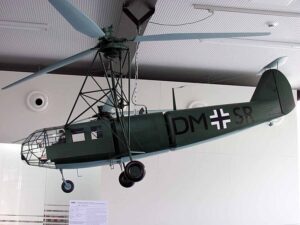
The Focke-Achgelis Fa 223 was a helicopter developed by Germany during World War II and the first one to attain production status.
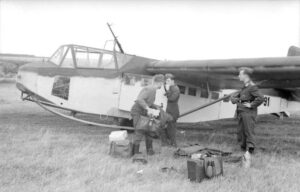
The DFS 230 was a German transport glider developed in 1933 and operated by the Luftwaffe during World War II.
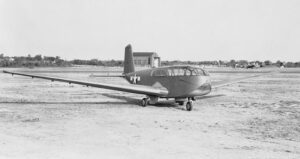
The Bristol XLRQ was a 12-seat amphibious glider aircraft developed for the United States Marine Corps in 1942-43.
The Waco CG-4 (or Hadrian) was the most widely used American troop and cargo military glider of World War II.
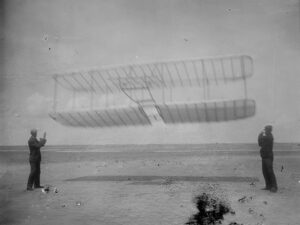
The Wright Glider was a series of four experimental aircraft (1 kite and 3 gliders) designed by Orville and Wilbur Wright in 1900-1902.
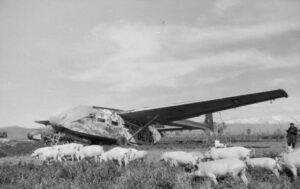
The Gotha Go 242 was a German transport glider used by the Luftwaffe during World War II. It saw limited combat action.
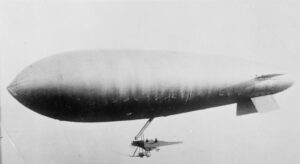
The SS Class Airship were cheap and simple small non-rigid airships or “blimps” designed to counter German U-boats.
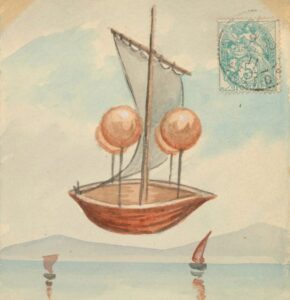
Lana de Terzi’s Flying Boat was an early experimental aircraft built by Enrico Forlanini and Giovanni Battista “Lana” de Terzi in 1905.
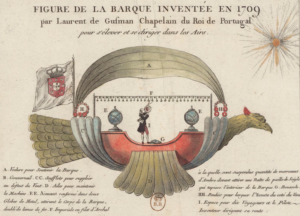
The De Gusmao Steam Airship was a picture and description of an airship made by Bartolomeu Lourenço de Gusmão to King João V in 1709.

The Hindenburg was part of the Zeppelin fleet, built by the Zeppelin Company in Germany. Learn more about its tragic history.
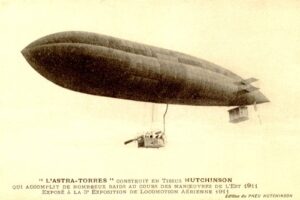
The Astra-Torres Airship was a French non-rigid airship built by Société Astra between 1908 and 1922 and designed by Leonardo Torres Quevedo.

This successful demonstration of hydrogen as a lifting gas paved the way for subsequent manned flights and further developments.

The Spirit of Freedom was a groundbreaking hot air balloon that marked a historic achievement in aviation. Learn more about it.
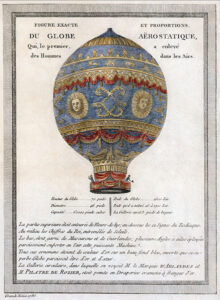
The Montgolfier Brothers’ Balloon was the first manned hot air balloon. It was created in 1783 by Joseph-Michel and Jacques-Étienne Montgolfier.

The Breitling Orbiter 3 was a historic hot air balloon that achieved the first successful nonstop circumnavigation of the globe in 1999.

The Virgin Atlantic Flyer was a groundbreaking hot air balloon piloted by entrepreneur Richard Branson and Swedish aeronaut Per Lindstrand.