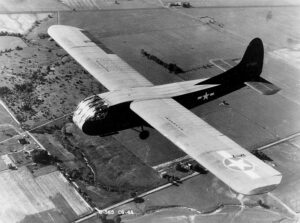
Waco CG-4
The Waco CG-4 (or Hadrian) was the most widely used American troop and cargo military glider of World War II.

The Waco CG-4 (or Hadrian) was the most widely used American troop and cargo military glider of World War II.
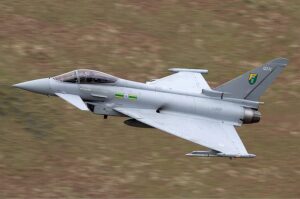
The Eurofighter Typhoon is a European multinational twin-engine, multi-role fighter manufactured by Eurofighter Jagdflugzeug GmbH.
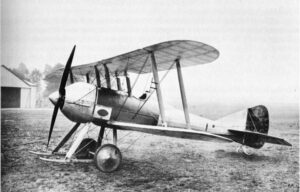
The Royal Aircraft Factory S.E.2 was an early British single-seat scout aircraft designed by Royal Aircraft Factory and used during World War I.
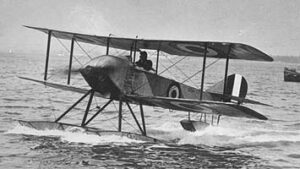
The Sopwith Tabloid was a British biplane originally designed as a sports aircraft and later adapted for military use during World War I.
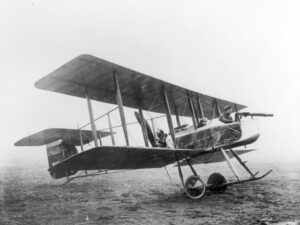
The Vickers F.B.5 (or Fighting Biplane 5, also known as the “Gunbus”) was a British two-seat pusher military biplane used during the First World War.
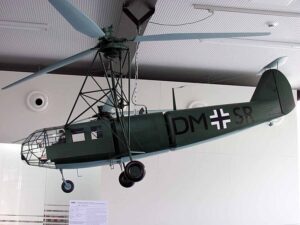
The Focke-Achgelis Fa 223 was a helicopter developed by Germany during World War II and the first one to attain production status.
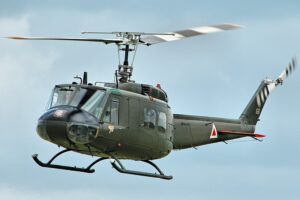
The Bell UH-1 Iroquois is a utility military helicopter and the first turbine-powered helicopter in service with the United States military.
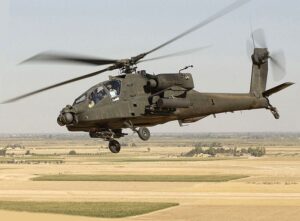
The Boeing AH-64 Apache is an American twin-turboshaft attack helicopter primarily operated by the U.S. Army but used by many nations.

The Mil Mi-8, known by its NATO reporting name “Hip,” is a Soviet-designed medium twin-turbine helicopter that is widely produced and used.
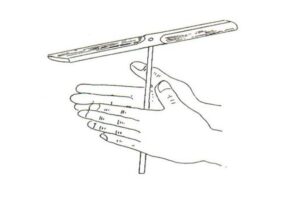
The Bamboo-Copter or Chinese Top is a toy helicopter rotor that flies up when its shaft is spun rapidly. The spinning creates lift.

The Airspeed AS.51 Horsa was a British troop-carrying glider developed and manufactured by Airspeed and used during the Second World War.
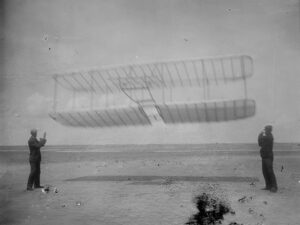
The Wright Glider was a series of four experimental aircraft (1 kite and 3 gliders) designed by Orville and Wilbur Wright in 1900-1902.
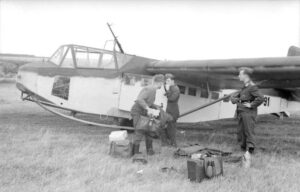
The DFS 230 was a German transport glider developed in 1933 and operated by the Luftwaffe during World War II.
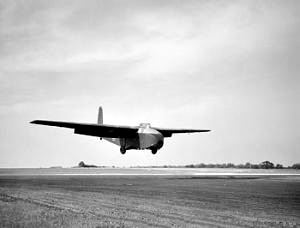
The General Aircraft Hamilcar (or Hamilcar Mark I) was a British military glider produced and used during the Second World War.
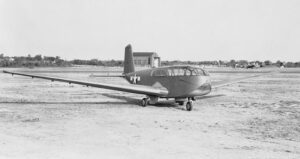
The Bristol XLRQ was a 12-seat amphibious glider aircraft developed for the United States Marine Corps in 1942-43.

His Majesty’s Airship R100, or R100, was a British rigid airship designed and constructed as part of an ambitious experiment in the 1920s.
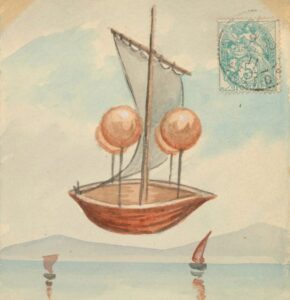
Lana de Terzi’s Flying Boat was an early experimental aircraft built by Enrico Forlanini and Giovanni Battista “Lana” de Terzi in 1905.
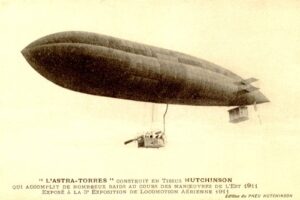
The Astra-Torres Airship was a French non-rigid airship built by Société Astra between 1908 and 1922 and designed by Leonardo Torres Quevedo.
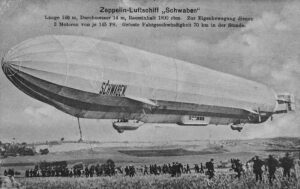
The Zeppelin LZ 10 Schwaben was a German rigid passenger airship built in 1911 by Luftschiffbau Zeppelin and operated by DELAG.
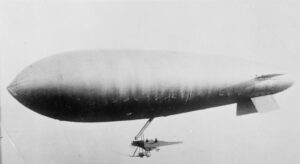
The SS Class Airship were cheap and simple small non-rigid airships or “blimps” designed to counter German U-boats.

The Spirit of Freedom was a groundbreaking hot air balloon that marked a historic achievement in aviation. Learn more about it.
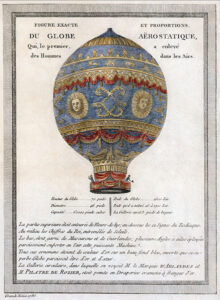
The Montgolfier Brothers’ Balloon was the first manned hot air balloon. It was created in 1783 by Joseph-Michel and Jacques-Étienne Montgolfier.
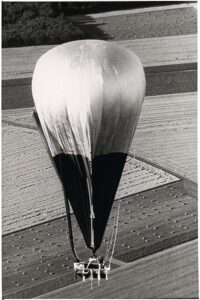
The Double Eagle II was the first balloon to cross the Atlantic Ocean. It left Maine and landed on 17 August 1978 near Paris.

This successful demonstration of hydrogen as a lifting gas paved the way for subsequent manned flights and further developments.

The Virgin Atlantic Flyer was a groundbreaking hot air balloon piloted by entrepreneur Richard Branson and Swedish aeronaut Per Lindstrand.