
Albatros D.II
The Albatros D.II was a German fighter aircraft used during World War and a development of the Albatros D.I.

The Albatros D.II was a German fighter aircraft used during World War and a development of the Albatros D.I.
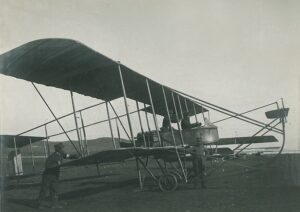
The Farman MF.7 is a French biplane used for reconnaissance during World War I. It was manufactured by Farman Aviation Works from 1910.
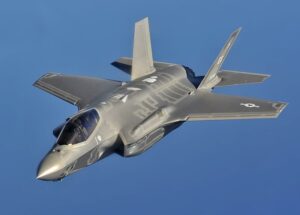
The Lockheed Martin F-35 Lightning II is an American single-seat, single-engine stealth multirole combat aircraft first produced in 2006.

The Boulton Paul Balliol is a trainer aircraft and monoplane produced by Boulton Paul Aircraft and operated by the RAF and FAA.

The Northrop P-61 Black Widow was the first operational U.S. warplane explicitly designed to be a night fighter.
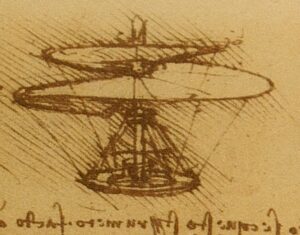
Leonardo’s Aerial Screw was envisioned as a device resembling a large screw or corkscrew-shaped structure that would enable vertical flight.
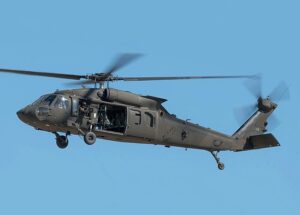
The Sikorsky UH-60 Black Hawk is a four-blade, medium-lift, twin-engine utility military helicopter and winner of the UTTAS program in 1976.
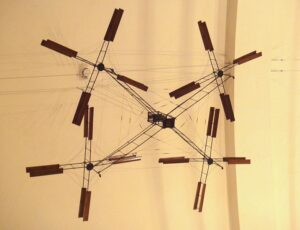
Leonardo’s Aerial Screw was envisioned as a device resembling a large screw or corkscrew-shaped structure that would enable vertical flight.
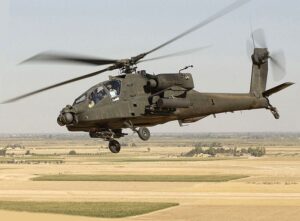
The Boeing AH-64 Apache is an American twin-turboshaft attack helicopter primarily operated by the U.S. Army but used by many nations.
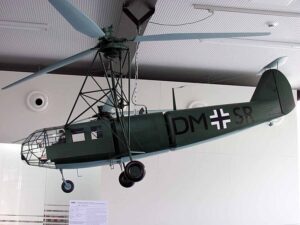
The Focke-Achgelis Fa 223 was a helicopter developed by Germany during World War II and the first one to attain production status.
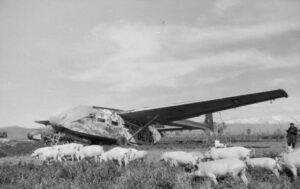
The Gotha Go 242 was a German transport glider used by the Luftwaffe during World War II. It saw limited combat action.
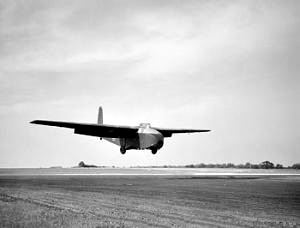
The General Aircraft Hamilcar (or Hamilcar Mark I) was a British military glider produced and used during the Second World War.
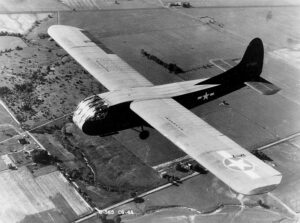
The Waco CG-4 (or Hadrian) was the most widely used American troop and cargo military glider of World War II.
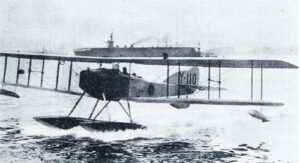
The Yokosuka Ro-go Ko-gata was a Japanese experimental glider used as a reconnaissance floatplane. It was developed during World War I.
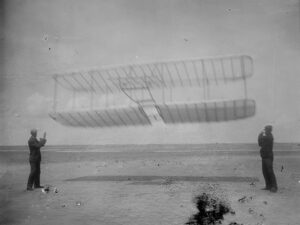
The Wright Glider was a series of four experimental aircraft (1 kite and 3 gliders) designed by Orville and Wilbur Wright in 1900-1902.
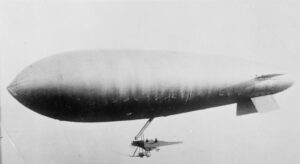
The SS Class Airship were cheap and simple small non-rigid airships or “blimps” designed to counter German U-boats.

The Hindenburg was part of the Zeppelin fleet, built by the Zeppelin Company in Germany. Learn more about its tragic history.

His Majesty’s Airship R100, or R100, was a British rigid airship designed and constructed as part of an ambitious experiment in the 1920s.
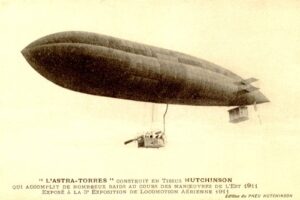
The Astra-Torres Airship was a French non-rigid airship built by Société Astra between 1908 and 1922 and designed by Leonardo Torres Quevedo.
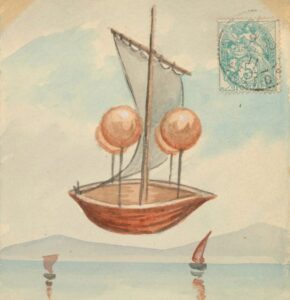
Lana de Terzi’s Flying Boat was an early experimental aircraft built by Enrico Forlanini and Giovanni Battista “Lana” de Terzi in 1905.

The Virgin Atlantic Flyer was a groundbreaking hot air balloon piloted by entrepreneur Richard Branson and Swedish aeronaut Per Lindstrand.

This successful demonstration of hydrogen as a lifting gas paved the way for subsequent manned flights and further developments.
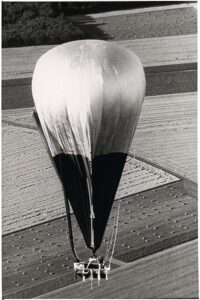
The Double Eagle II was the first balloon to cross the Atlantic Ocean. It left Maine and landed on 17 August 1978 near Paris.

The Breitling Orbiter 3 was a historic hot air balloon that achieved the first successful nonstop circumnavigation of the globe in 1999.
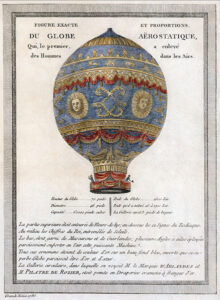
The Montgolfier Brothers’ Balloon was the first manned hot air balloon. It was created in 1783 by Joseph-Michel and Jacques-Étienne Montgolfier.