
Mikoyan-Gurevich MiG-23 Flogger
The Mikoyan-Gurevich MiG-23 is a variable-geometry fighter aircraft designed in the Soviet Union and first flown in 1967.

The Mikoyan-Gurevich MiG-23 is a variable-geometry fighter aircraft designed in the Soviet Union and first flown in 1967.

The Mikoyan-Gurevich MiG-19 is a Soviet single-seat, twinjet fighter aircraft and the world’s first mass-produced supersonic aircraft.

The Focke-Wulf Fw 200 Condor was a German four-engined monoplane used for reconnaissance and as an anti-shipping/maritime patrol bomber.

The Fokker F.VII was one of the most successful and influential airliners of the 1920s, known for its versatility and reliability.

The Mikoyan-Gurevich MiG-17 is a high-subsonic jet fighter developed by Mikoyan-Gurevich and produced in the Soviet Union from 1952.

The Mil Mi-8, known by its NATO reporting name “Hip,” is a Soviet-designed medium twin-turbine helicopter that is widely produced and used.
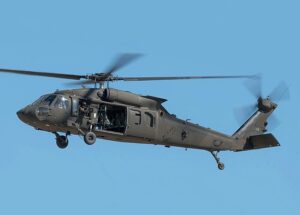
The Sikorsky UH-60 Black Hawk is a four-blade, medium-lift, twin-engine utility military helicopter and winner of the UTTAS program in 1976.
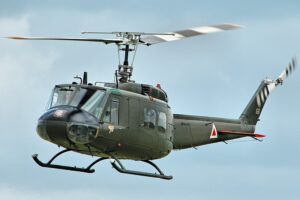
The Bell UH-1 Iroquois is a utility military helicopter and the first turbine-powered helicopter in service with the United States military.
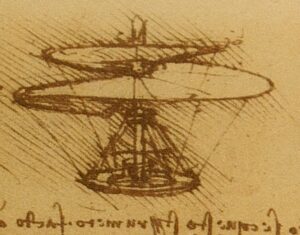
Leonardo’s Aerial Screw was envisioned as a device resembling a large screw or corkscrew-shaped structure that would enable vertical flight.
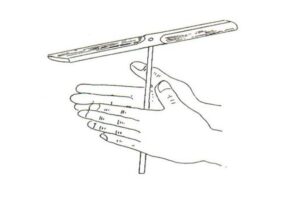
The Bamboo-Copter or Chinese Top is a toy helicopter rotor that flies up when its shaft is spun rapidly. The spinning creates lift.
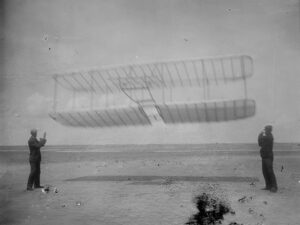
The Wright Glider was a series of four experimental aircraft (1 kite and 3 gliders) designed by Orville and Wilbur Wright in 1900-1902.
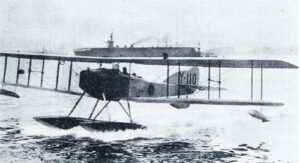
The Yokosuka Ro-go Ko-gata was a Japanese experimental glider used as a reconnaissance floatplane. It was developed during World War I.
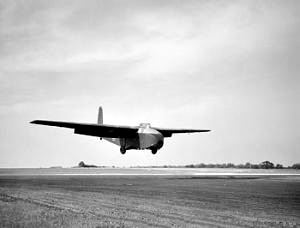
The General Aircraft Hamilcar (or Hamilcar Mark I) was a British military glider produced and used during the Second World War.

The Airspeed AS.51 Horsa was a British troop-carrying glider developed and manufactured by Airspeed and used during the Second World War.
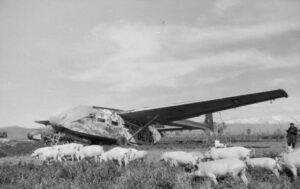
The Gotha Go 242 was a German transport glider used by the Luftwaffe during World War II. It saw limited combat action.
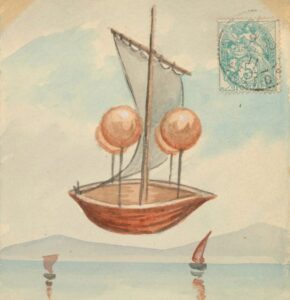
Lana de Terzi’s Flying Boat was an early experimental aircraft built by Enrico Forlanini and Giovanni Battista “Lana” de Terzi in 1905.
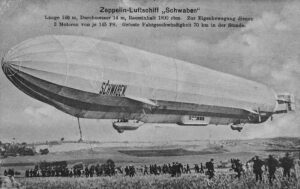
The Zeppelin LZ 10 Schwaben was a German rigid passenger airship built in 1911 by Luftschiffbau Zeppelin and operated by DELAG.
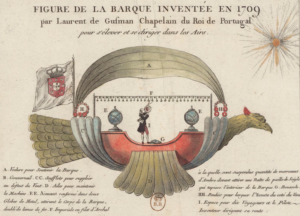
The De Gusmao Steam Airship was a picture and description of an airship made by Bartolomeu Lourenço de Gusmão to King João V in 1709.

His Majesty’s Airship R100, or R100, was a British rigid airship designed and constructed as part of an ambitious experiment in the 1920s.
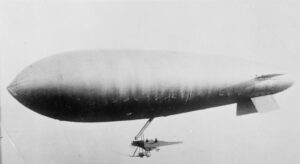
The SS Class Airship were cheap and simple small non-rigid airships or “blimps” designed to counter German U-boats.

The Spirit of Freedom was a groundbreaking hot air balloon that marked a historic achievement in aviation. Learn more about it.

The Breitling Orbiter 3 was a historic hot air balloon that achieved the first successful nonstop circumnavigation of the globe in 1999.
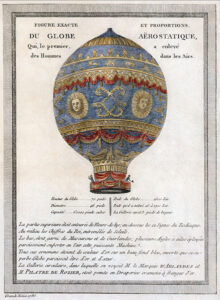
The Montgolfier Brothers’ Balloon was the first manned hot air balloon. It was created in 1783 by Joseph-Michel and Jacques-Étienne Montgolfier.

This successful demonstration of hydrogen as a lifting gas paved the way for subsequent manned flights and further developments.
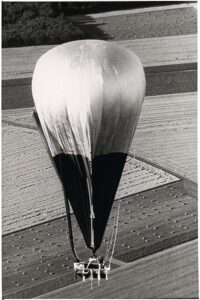
The Double Eagle II was the first balloon to cross the Atlantic Ocean. It left Maine and landed on 17 August 1978 near Paris.